 GREEN BOATING BLOG
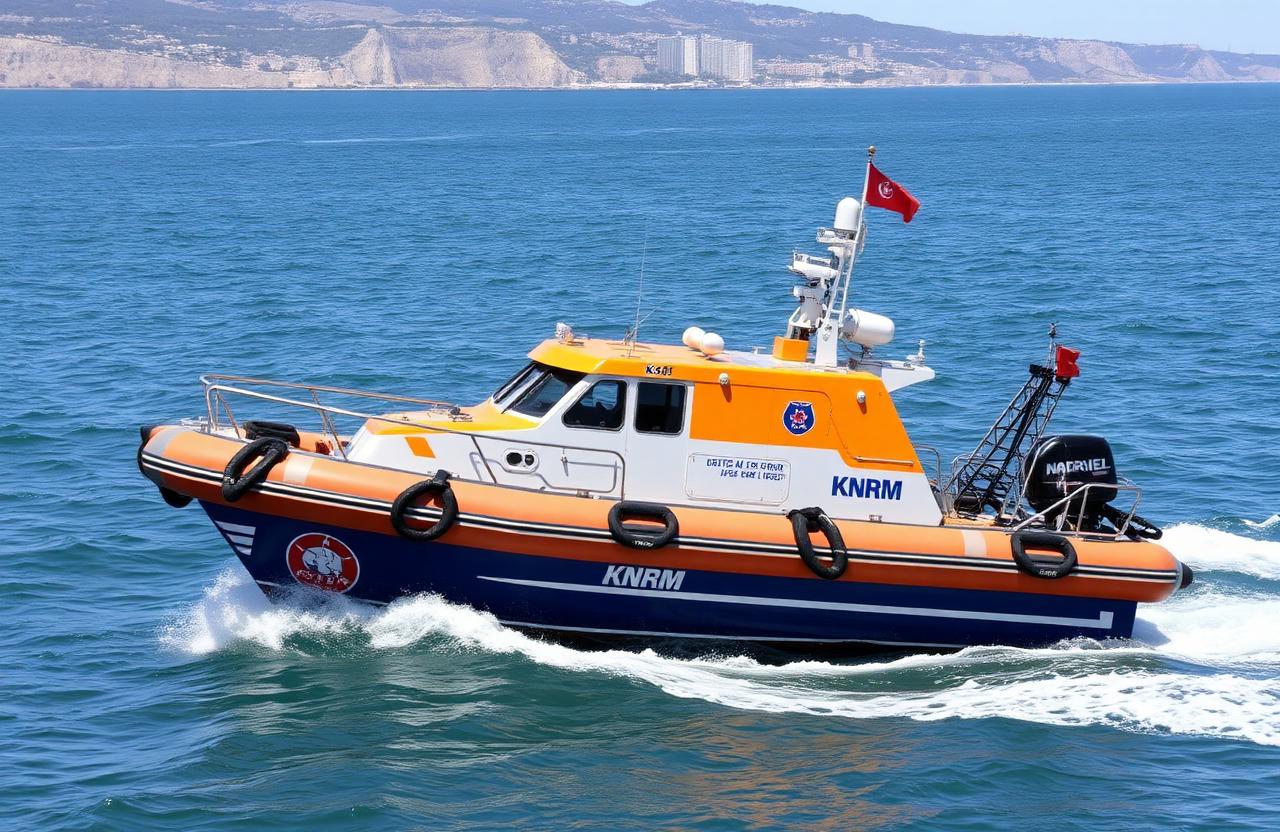
Bigger, stronger and powered by plant-based fuel: the KNRM's new rescue boat
Good news travels fast on the water. The Dutch Royal Rescue Society (KNRM) recently put a brand new lifeboat into service at their Ouddorp station — and what makes her special isn't just that she's bigger and stronger than her predecessors. She runs on plant-based diesel.
A new generation of lifeboat
The new vessel, named *Bert en Anneke Knape*, replaces one of the older RIB lifeboats that served the station for around 25 years. Where the older boats are fast inflatables, this one is built from a single piece of aluminium. Propulsion comes from waterjets instead of propellers, which keeps the speed up while making the boat safer to operate in shallow water and around people in distress.
There's also more room on board. Four crew members fit comfortably instead of three, and all the medical and rescue equipment is permanently installed. That means first aid can start on the spot, the moment they reach a casualty.
HVO: diesel, but not as we know it
The most interesting part — at least for us at Green Boating — is the fuel. The new lifeboat runs on HVO (Hydrotreated Vegetable Oil), a renewable diesel made from plant-based feedstocks and waste fats. As KNRM volunteer John Brökling jokingly put it to local media: *"It's not deep-fry fat, but in terms of origin and even smell, it comes pretty close."*
HVO can reduce CO₂ emissions by up to around 90% compared to fossil diesel, depending on the feedstock. It burns cleaner, produces fewer particulates, and — crucially — works in existing diesel engines without modifications. For a rescue organisation that absolutely cannot afford downtime or experiments, that "drop-in" character is exactly why HVO is so attractive.
Why this matters beyond one lifeboat
A single rescue boat won't change the climate. But the symbolism is hard to overstate. The KNRM is one of the most trusted and visible organisations on the Dutch coast. When they choose renewable fuel for a mission-critical vessel, it sends a clear message to the wider boating community:
- Cleaner fuels are ready for real-world use today, not in some distant future.
- Sustainability and reliability are not opposites — you can have both.
- Even traditional, safety-first sectors can take meaningful steps.
For recreational boat owners, charter operators and small yards watching from the sidelines, this is a quiet invitation. If a lifeboat that has to perform in the worst possible conditions can switch to HVO, the weekend sailor with a small diesel inboard certainly can too.
A small step, in the right direction
Of course, HVO is not the whole answer. Feedstock availability is limited, electric and hybrid propulsion will play a bigger role in the long run, and the greenest mile is still the one you sail rather than motor. But every time a visible, respected operator on the water chooses a cleaner option, it nudges the entire sector forward.
The Bert en Anneke Knape will be saving lives along the coast of Goeree-Overflakkee for years to come. And every time she heads out, she'll be doing it with a noticeably smaller footprint than the boat she replaced. That's the kind of progress we love to see — practical, proven, and quietly setting a new standard.
Source: Rijnmond / Omroep Archipel.