 GREEN BOATING BLOG
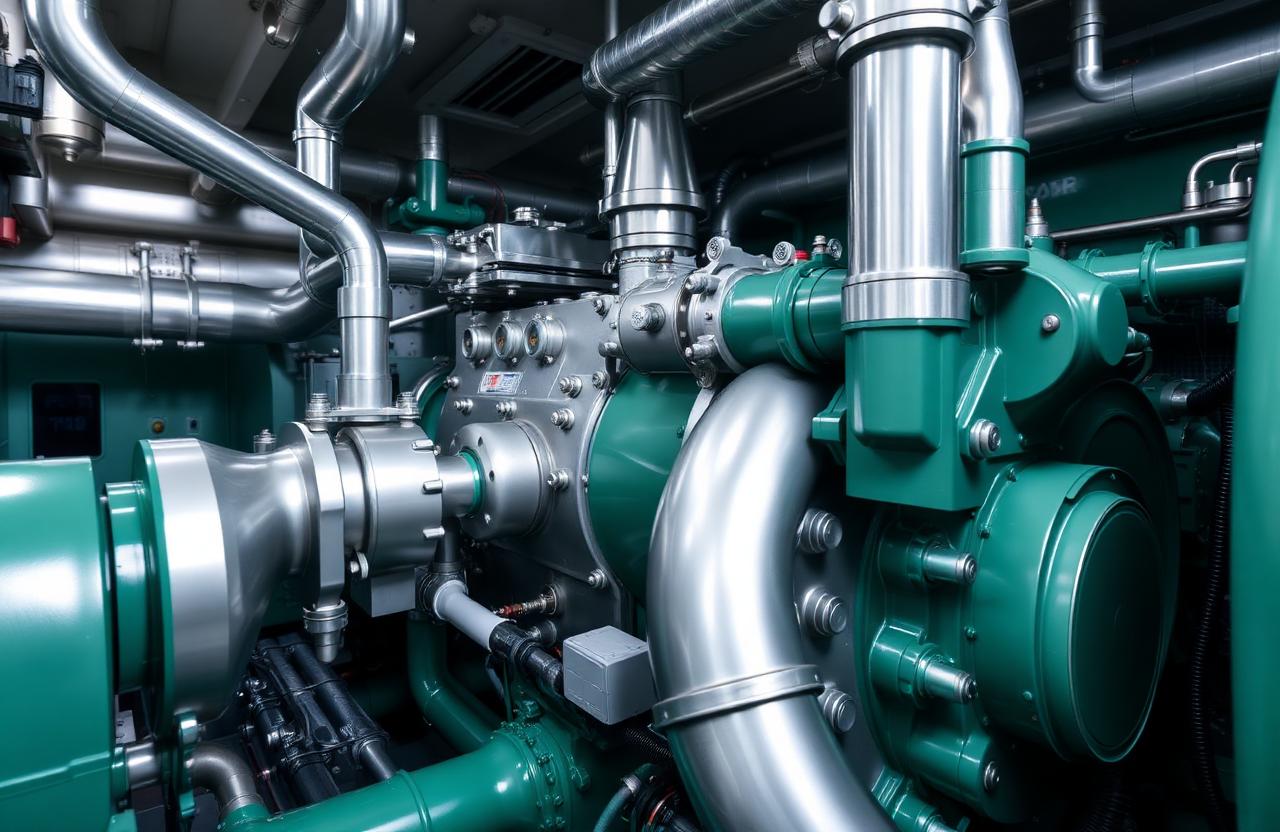
World-first: a 100% hydrogen marine engine earns Lloyd's Register Type Approval
Big news from the engine room: BeHydro, a joint venture between Belgian engine builder ABC and CMB.TECH, has secured Type Approval from Lloyd's Register for a marine engine that runs on 100% hydrogen — no diesel pilot fuel needed. It is, as far as we can tell, a world first at this size and certification level.
Why "100% hydrogen" is a big deal
Most so-called hydrogen engines in shipping today are dual-fuel: they burn hydrogen alongside a small amount of diesel for ignition. That's a useful bridge, but it isn't truly zero-carbon. A 100% hydrogen engine, ignited and controlled entirely on H₂, removes that last bit of fossil fuel from the picture.
Combined with green hydrogen (made from renewable electricity), the well-to-wake emissions can drop to near zero. The only direct exhaust product is water vapour, with a small amount of NOx that can be managed with existing after-treatment.
What Type Approval actually means
Type Approval from a major classification society like Lloyd's Register is not a marketing badge. It means the engine has been independently tested against a strict set of safety, durability and performance standards, and that ship designers and owners can specify it with confidence. Insurers, flag states and ports all lean heavily on these approvals.
In practice, this unlocks:
- Newbuild orders for tugs, ferries, inland vessels and workboats that need a credible zero-emission powertrain today.
- Retrofit pathways for existing fleets, since the engine fits familiar engine-room layouts.
- Port and corridor projects where operators commit to hydrogen bunkering infrastructure, knowing certified engines exist to use it.
Why recreational boaters should care
Hydrogen will not be powering your weekend cruiser any time soon — storage, bunkering and cost still make it impractical at small scale. But the marine sector tends to move together. Once classification societies, ports and insurers get comfortable with hydrogen on commercial vessels, the regulatory and supply-chain groundwork is laid for smaller applications later.
In other words, every certified hydrogen engine on a tug or ferry today is one more brick in the road towards genuinely fossil-free boating tomorrow.