 GREEN BOATING BLOG
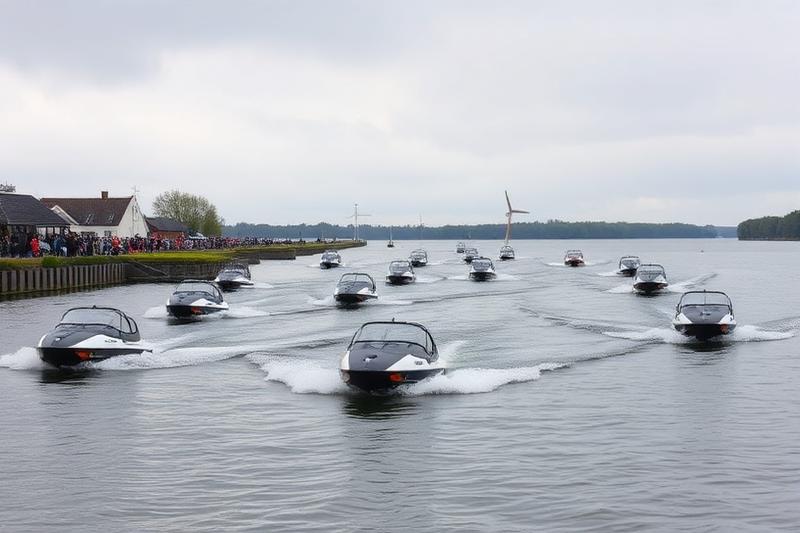
Frysian E-Power Challenge – Full Race Report
Frysian E-Power Challenge
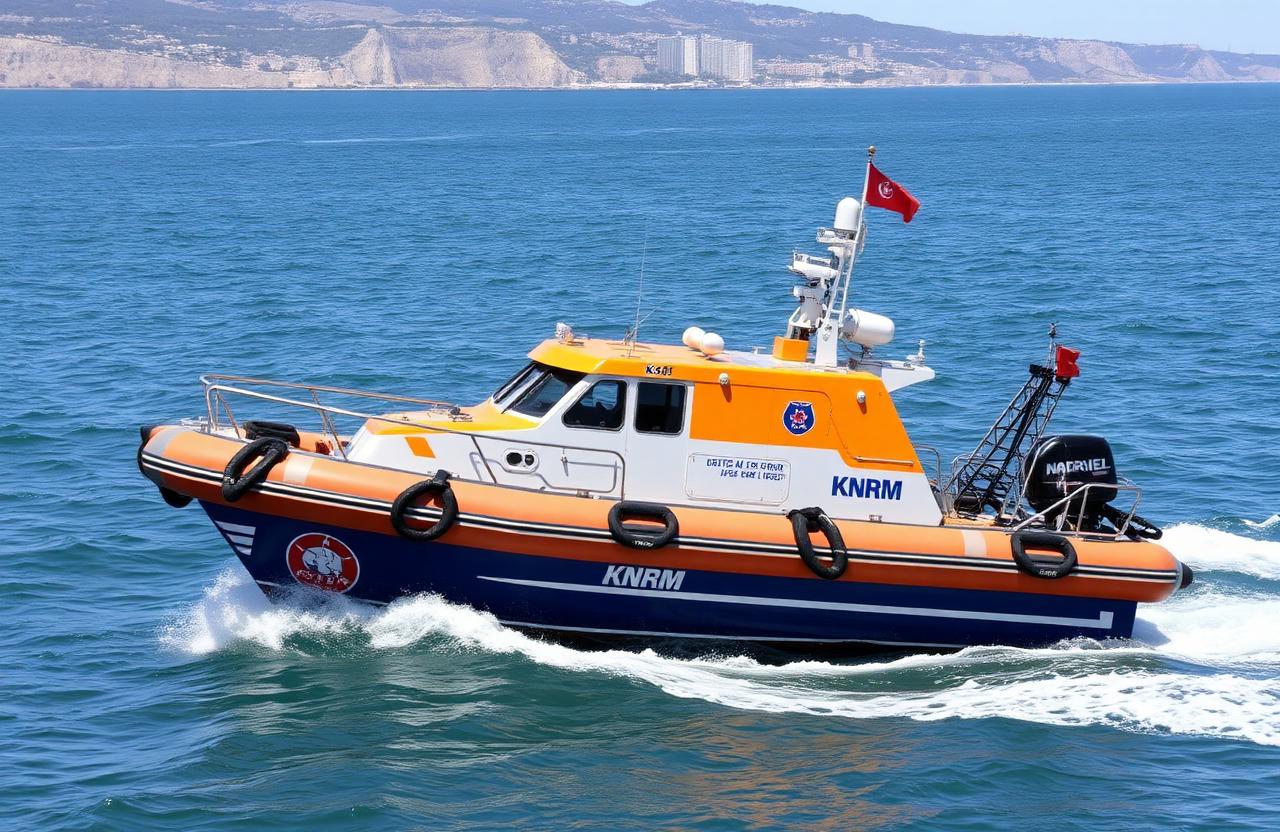
Last Sunday I spent the day in Sneek to watch 21 one electrically powered boats compete in the Frysian E-Power Challenge. Unfortunately the weather wasn't too good and I didn't envy the guys and girls sitting in their boats sailing around Friesland for more than 4 hours. I wanted to see this E-Power Challenge to see what the different possibilities of electrical sailing are at the moment. It was great to see the variety of boats that were participating.
Opening of the Frysian E-Power Challenge
The E-Power Challenge was opened by the chairman of the SEFF, who was very pleased to see so many turn up to watch the challenge. The second speech was delivered by the representative of the province. He told the crowd that this race was mostly a preparation for the next race in 2013 which will be called E-Innovation Challenge. He emphasized the goal of the province of Friesland to be CO2 neutral with ALL transport vehicles in the future. This race showed that that is possible for boats.
The Challenge
The first boats were expected to return after about 4 hours, so sail with an average speed of 10km/h, even when parts of the 40km track have speed limits of 6 ml/h or 9 km/h.
I drove to the 9km mark to watch the boats pass. I expected the boats to finish this mark after about an hour. So when I arrived about 1 hour and 15 minutes after the start I was afraid I was too late and had missed them. I was about to leave, very disappointed, when I saw a sloop arrive in the distance. This was actually the first boat!
If they would continue the race with the time it took them for the first 9 km, it would take them 5.5 hours. This is well above the organizers estimate of 4 hours for the fastest boat.
The results of the e-challenge
The estimate of the organization was that the first boats would pass the finish line in about 4 hours. This proved to be a very accurate estimate, as the fastest boat finished the race in about 4 hours and 15 minutes. The slowest boat needed more than an hour extra to finish the 40 km.
The fastest boat needed 13.9 kWh for the 40 km with an average speed of 9.2 km/h. The boat that needed the least energy, used only 5.3 kWh. This shows the large difference between two boats that sailed at an average different speed. This difference poses a challenge and an opportunity for the industry. Developing light and efficient boats with the optimal propulsion is what we need! But this challenge has shown that the boats can easily go for more than 4 hours as most of the boats still had enough battery power left.
Background info
The 10 winning boats will compete next year in a separate category in the Dong Solar Challenge. This is a bi-annual event to support solar powered boats, and I will cover that event extensively. The biggest difference with the Frysian E-Power Challenge is that the boats for the Dong Solar Challenge are built for that race, while the boats competing in the Frysian E-Power Challenge are production boats.