 GREEN BOATING BLOG
It's Been a While
But we are at it again. Working on a sustainable future of our boat! The diesel engine should go out. And in comes electric. That was already the original aim when this blog was started, back in 2010.
But when can I replace the (not so) old diesel? Well, there are still quite some obstacles to take. Like
- Charging is still an issue in the harbour
- Costs, it still ain't cheap
- Choosing the right engine, batteries and all we need
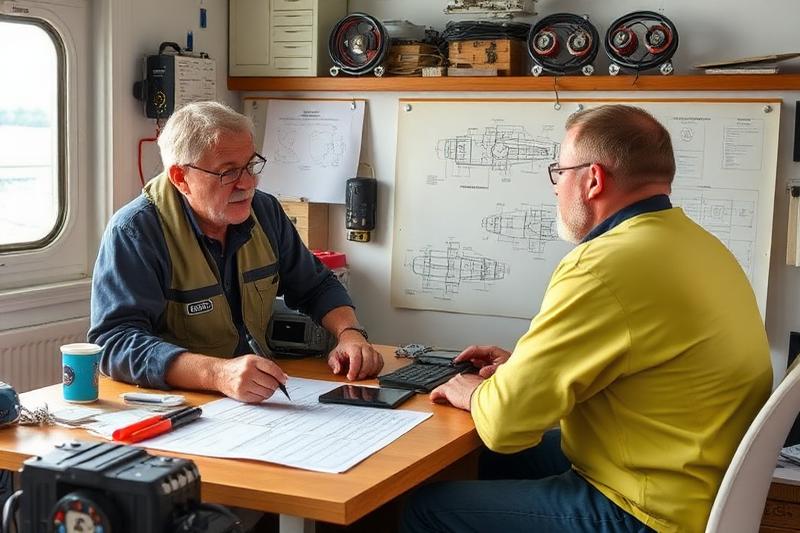
- Finding experts, good technical people are hard to find
Where do we stand?
Since 2010 I have written dozens of blog posts on greenboating.eu, visited boat shows in different countries, discussed sustainable solutions with many nautical suppliers and have shown different success stories. Following industry trends, sustainability is receiving more and more information, rightfully so. But there still is a long way to go.
Looking at a simple example, our own 7m open boat. When I started writing these blogs, the boat was somewhere on the canals in Amsterdam. There was absolutely no possibility to charge batteries for an electrically powered boat, unless you were lucky enough to be docked in one of the few, often very small, harbors. That was our personal reason to postpone this project and focus on informing others and investigate the possibilities.
Charging, is it possible?
Since then, the boat moved to a large harbor on one of the lakes of The Netherlands. Charging is still an issue. I want to bet that if a couple other boats on our pier switch to electrical propulsion and want to charge after a sunny day on the water, we will blow up the fuses.
It is possible, but still a challenge.
Costs
The costs for making a boat as sustainable as possible, don't come cheap. The solutions that aim to fully replace an inboard diesel engine, including batteries, chargers and other required equipment is similarly priced as a new diesel engine. To be honest, I had expected that the costs would have come down more.
The type of engine
Choosing the right type and brand of engine is another challenge. Diesel engines have a long history since it was invented by Rudolf Diesel in 1893. Since then, the engines have seen many improvements both on efficiency as well as reliability.
Electrical engines are actually a lot older, as they were first used in experiments in the 1740's! But large scale electrical engines, first in cars and now in boats too, have only become popular in the last couple of years.
Some experienced engine companies use their experience to do the same with electrical engines, like for example the Dutch nautical company Vetus. They have a full range of electrical engines, including water and air-cooled engines, and everything else you need.
So lastly, the experts
More and more companies are looking into sustainability around boats. Some have more experience than others, while others have very good sales stories.
In the mean time, I will be doing more research and post more on the process of making our boat as quiet as the wind!